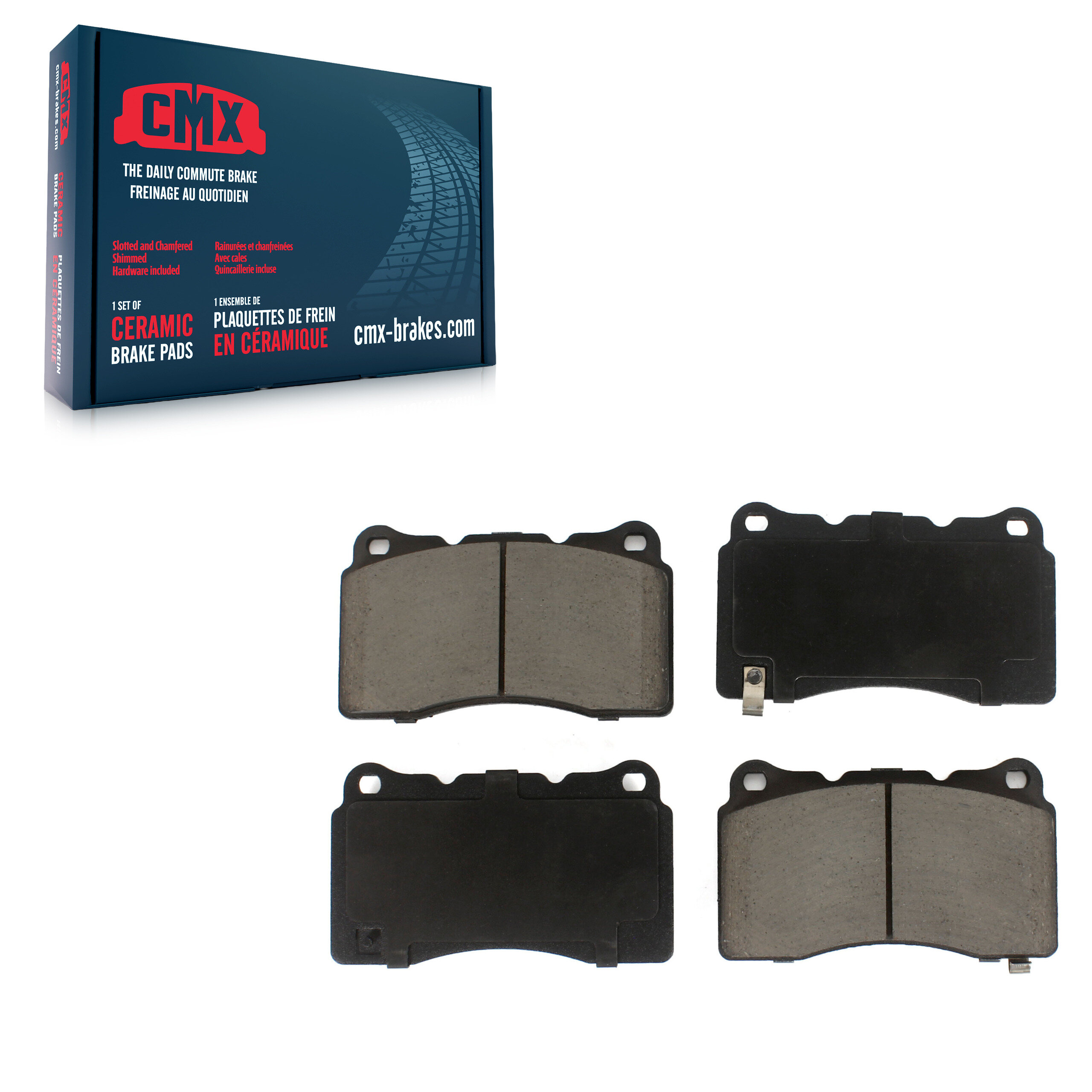
 Standard/OE
In stock
CA $37.89
10 items in stock
Quality For FREE Shipping
CMX-D1001• Front• Disc Brake Pad
Add Vehicle to Confirm Fitment
Select your vehicle to see compatible products and accurate pricing

Our disc brake pad selection covers front and rear axle positions across all major vehicle types, from compact city cars and family SUVs to trucks and performance vehicles. Ceramic pads, semi-metallic pads, and OEM-equivalent disc brake pad sets are all stocked from verified manufacturers and tested for Canadian driving conditions.
Standard/OECA $37.89
10 items in stock
Select your vehicle to see compatible products and accurate pricing
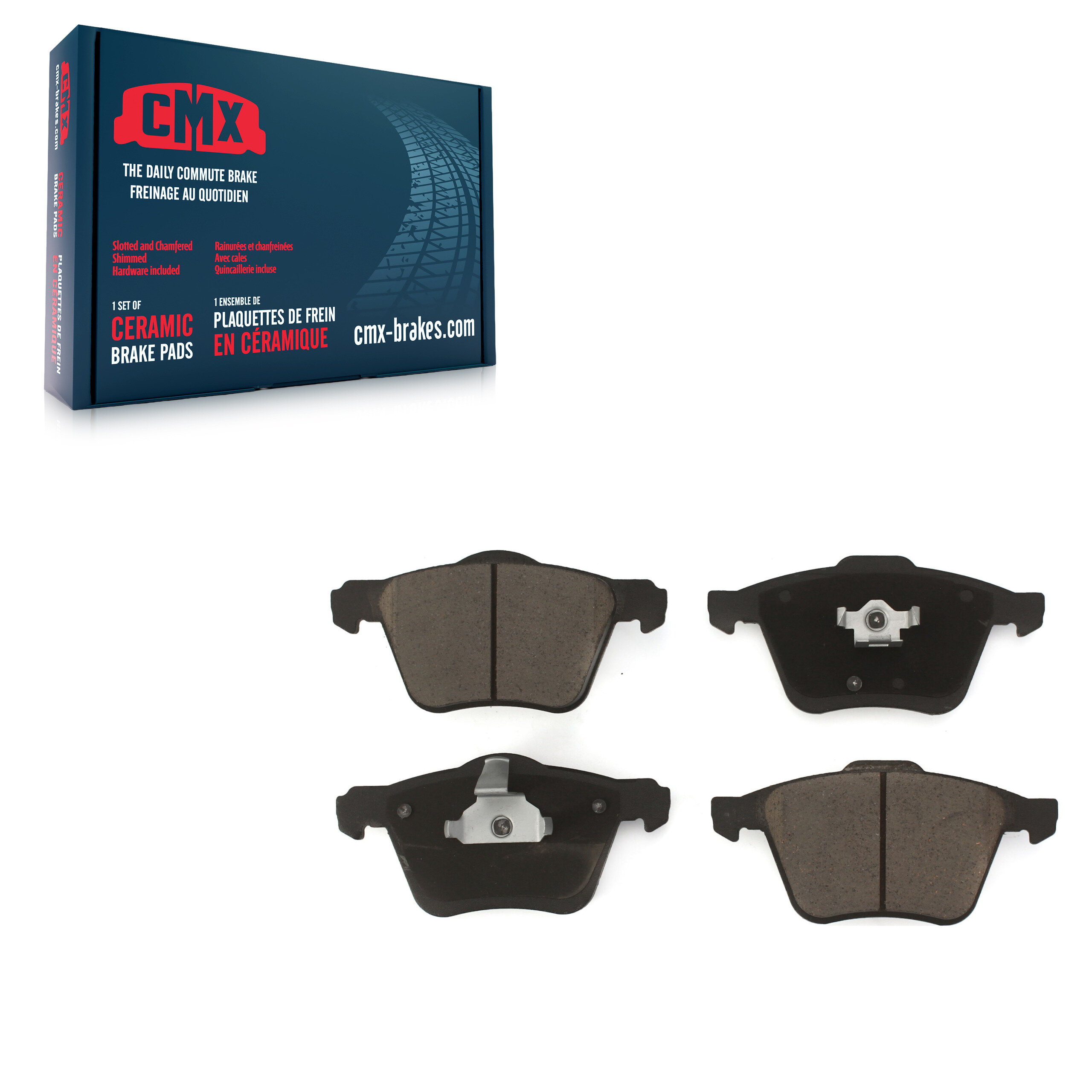 Standard/OE
CA $42.05
9 items in stock
Select your vehicle to see compatible products and accurate pricing
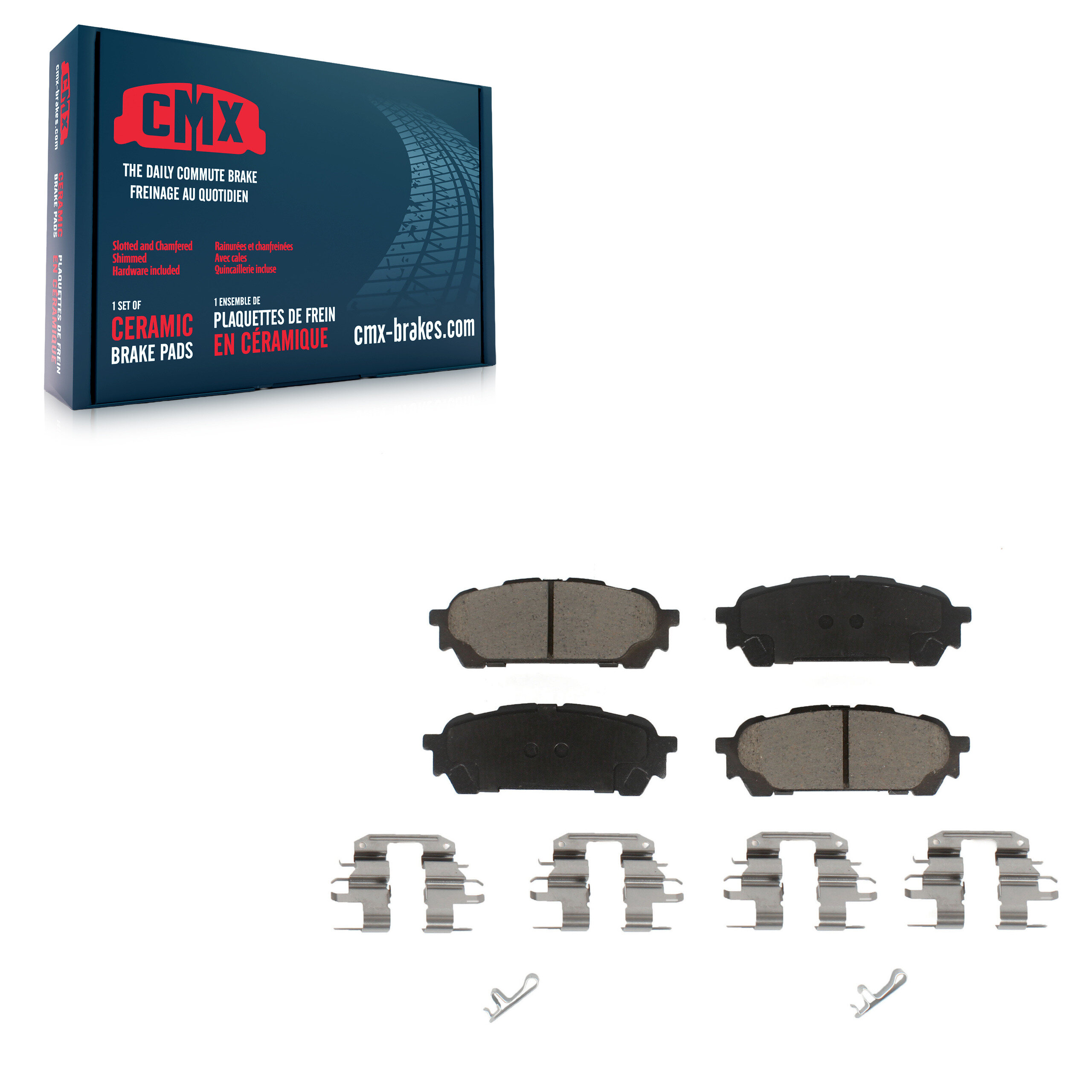 Standard/OE
CA $28.98
10 items in stock
Select your vehicle to see compatible products and accurate pricing
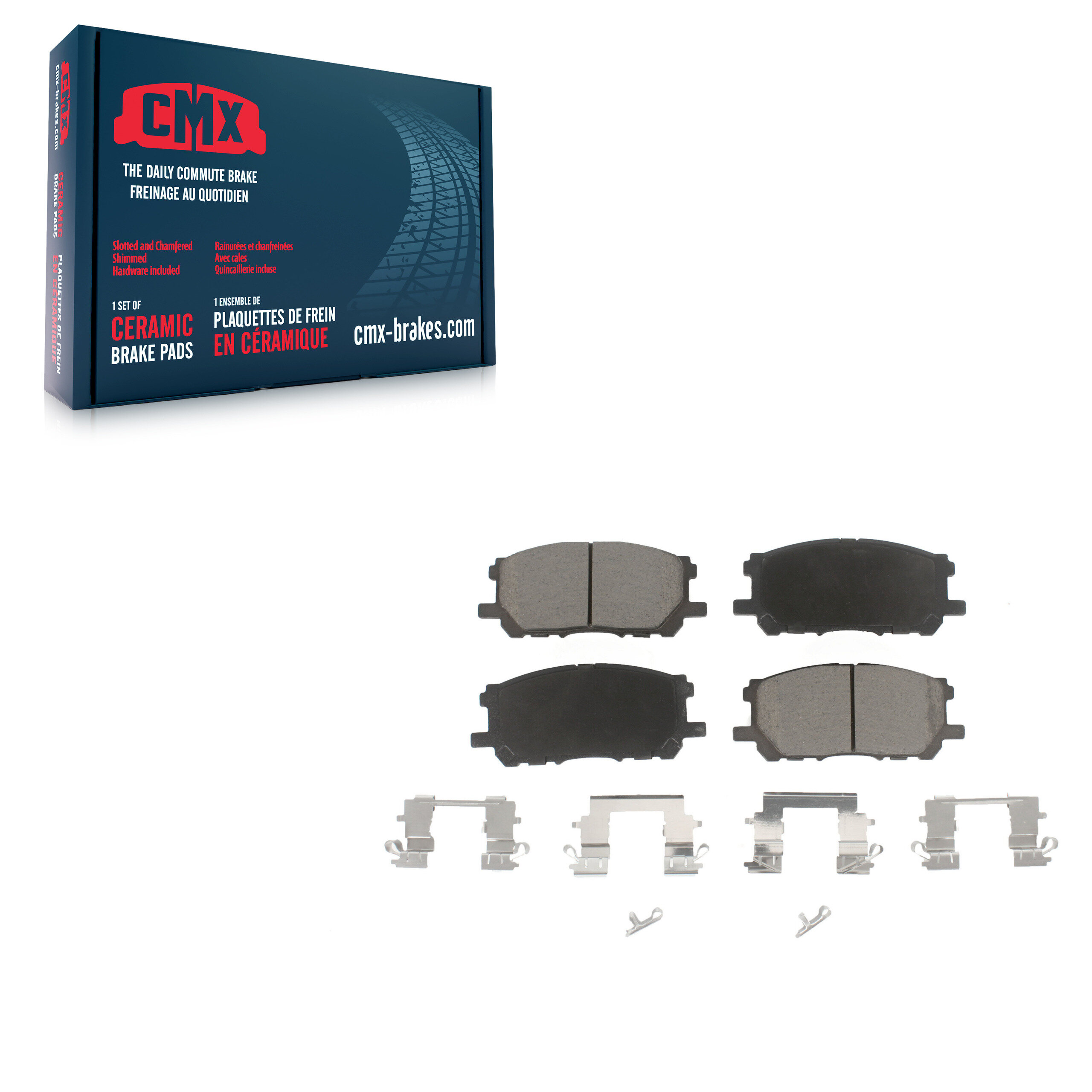 Standard/OE
CA $38.81
10 items in stock
Select your vehicle to see compatible products and accurate pricing
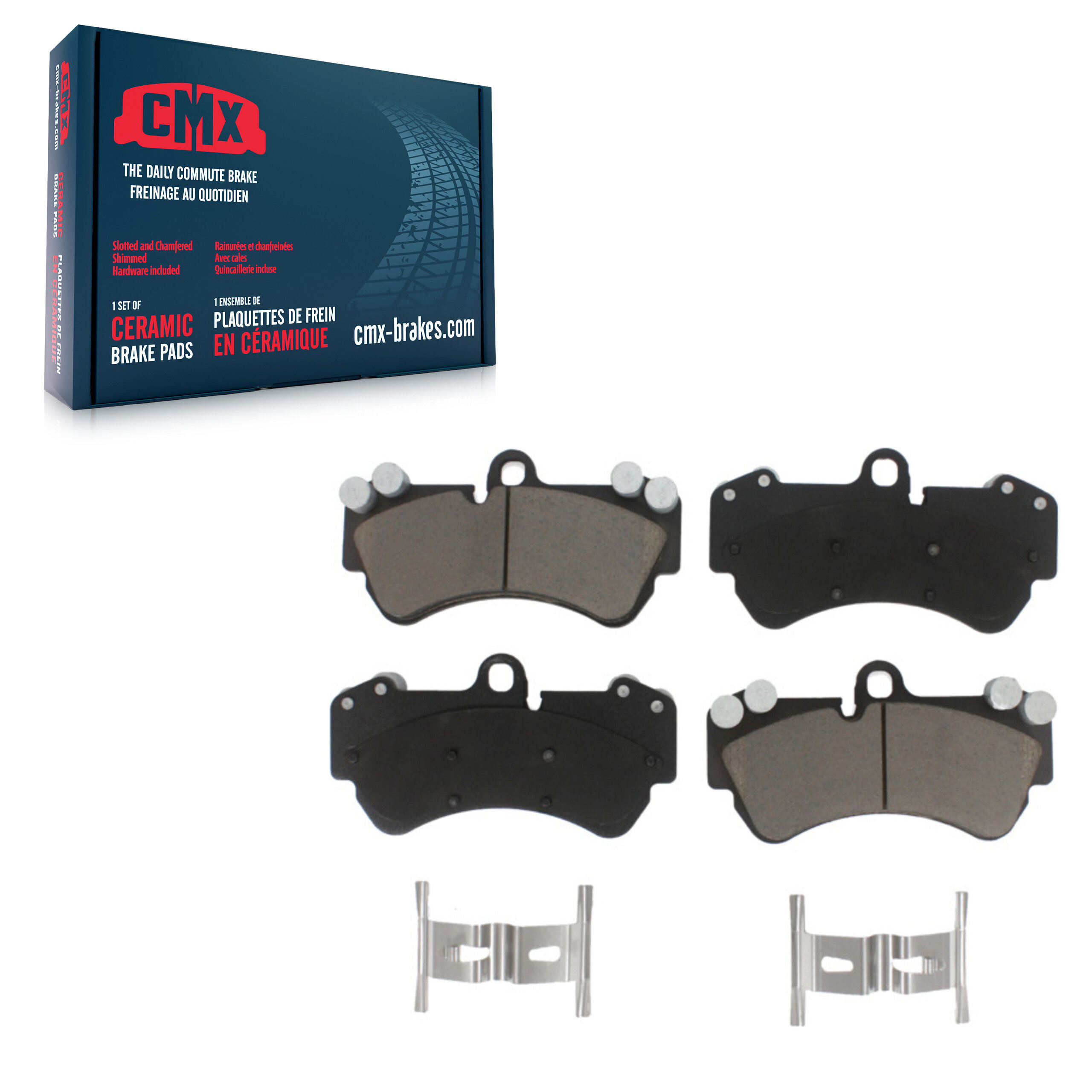 Standard/OE
CA $52.94
4 items in stock
Select your vehicle to see compatible products and accurate pricing
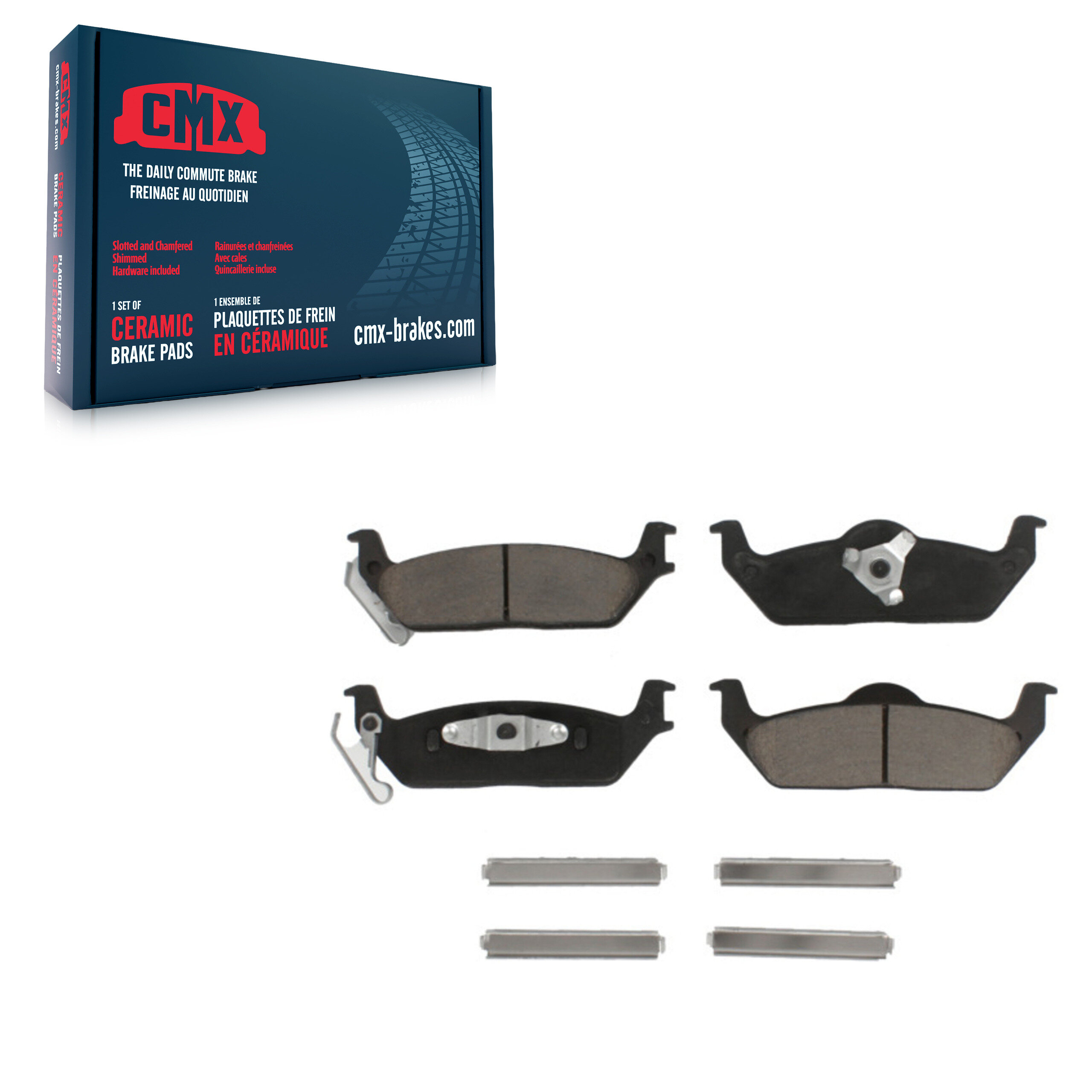 Standard/OE
CA $34.09
1 items in stock
Select your vehicle to see compatible products and accurate pricing
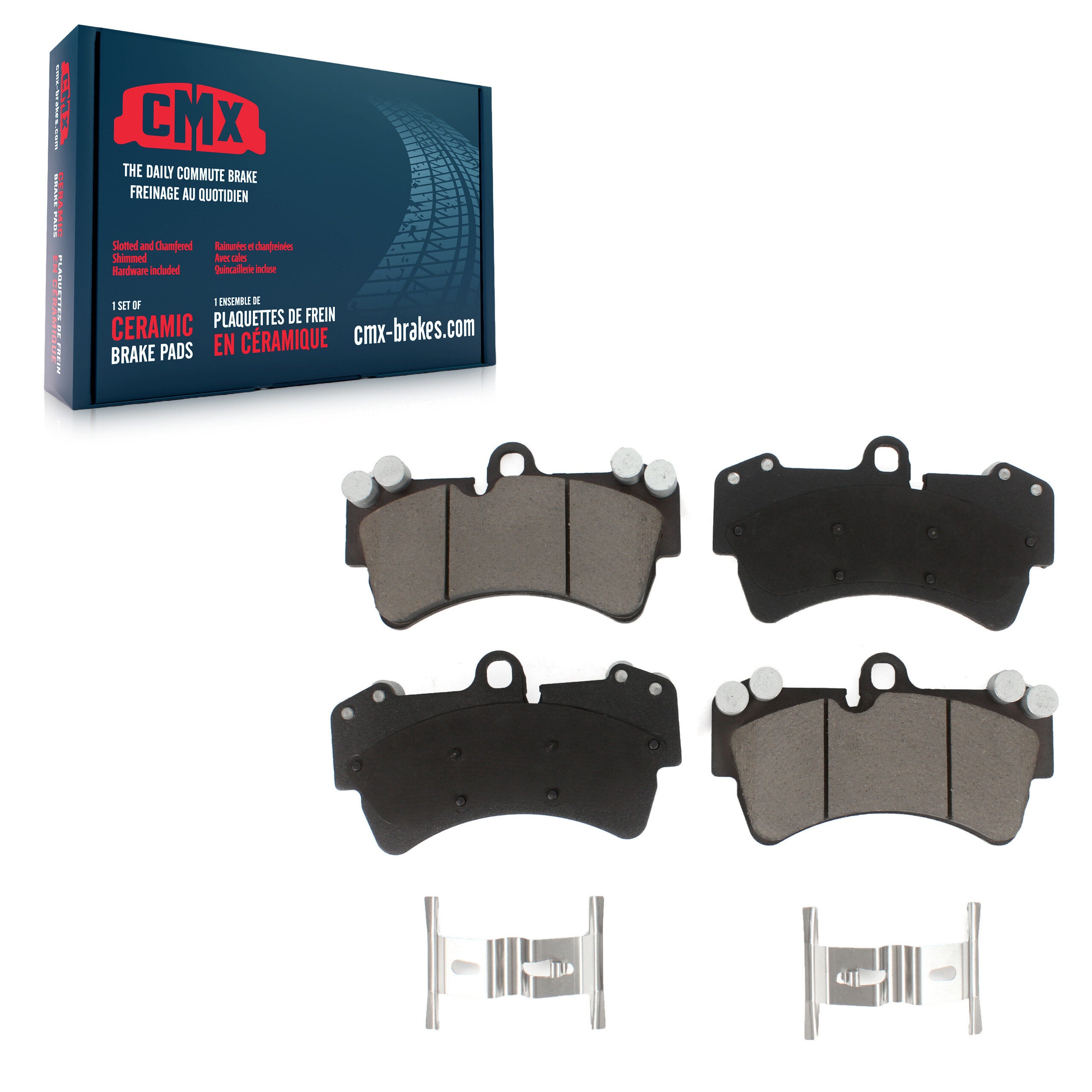 Standard/OE
CA $57.49
10 items in stock
Select your vehicle to see compatible products and accurate pricing
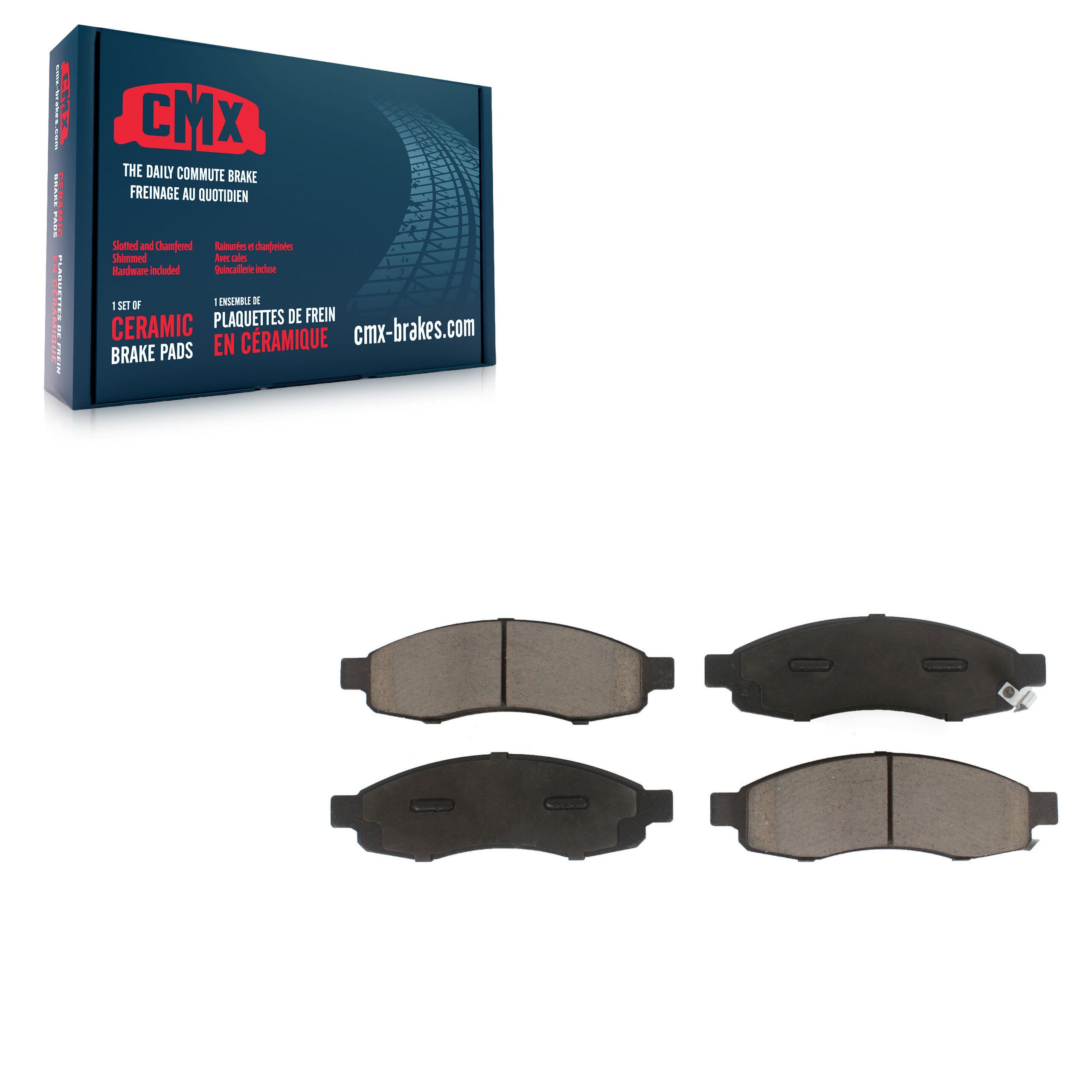 Standard/OE
CA $38.20
10 items in stock
Select your vehicle to see compatible products and accurate pricing
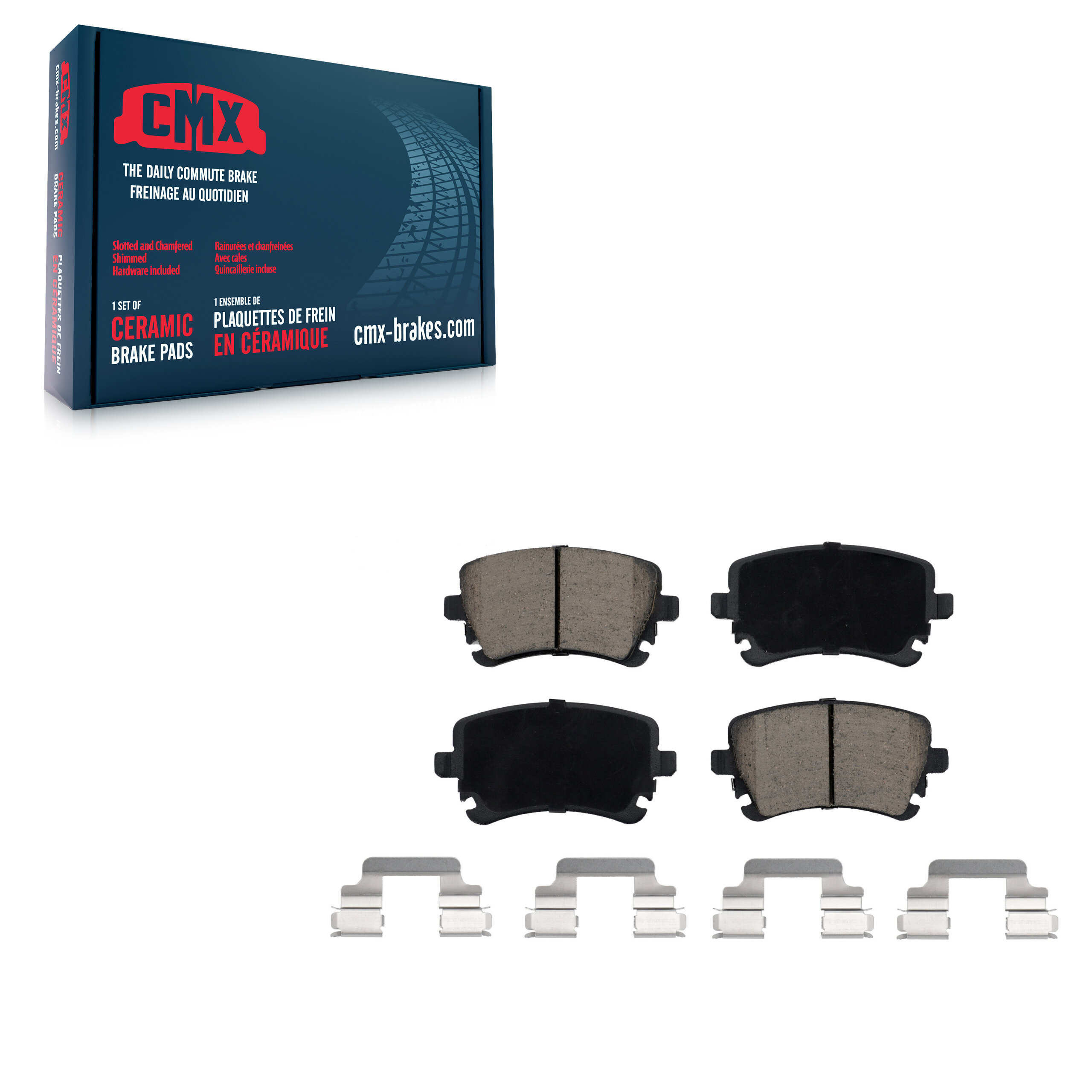 Standard/OE
CA $38.57
1 items in stock
Select your vehicle to see compatible products and accurate pricing
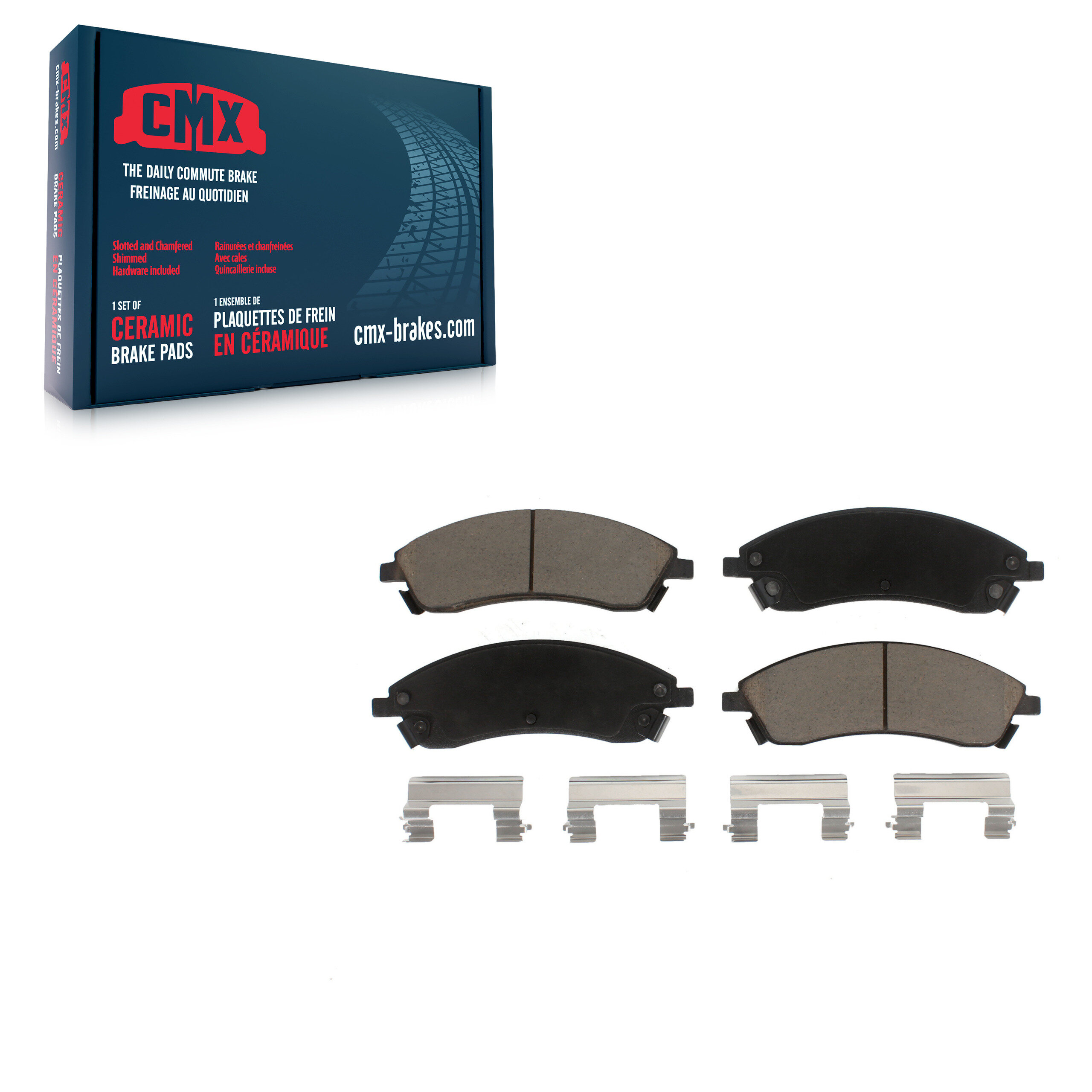 Standard/OE
CA $40.64
10 items in stock
Select your vehicle to see compatible products and accurate pricing
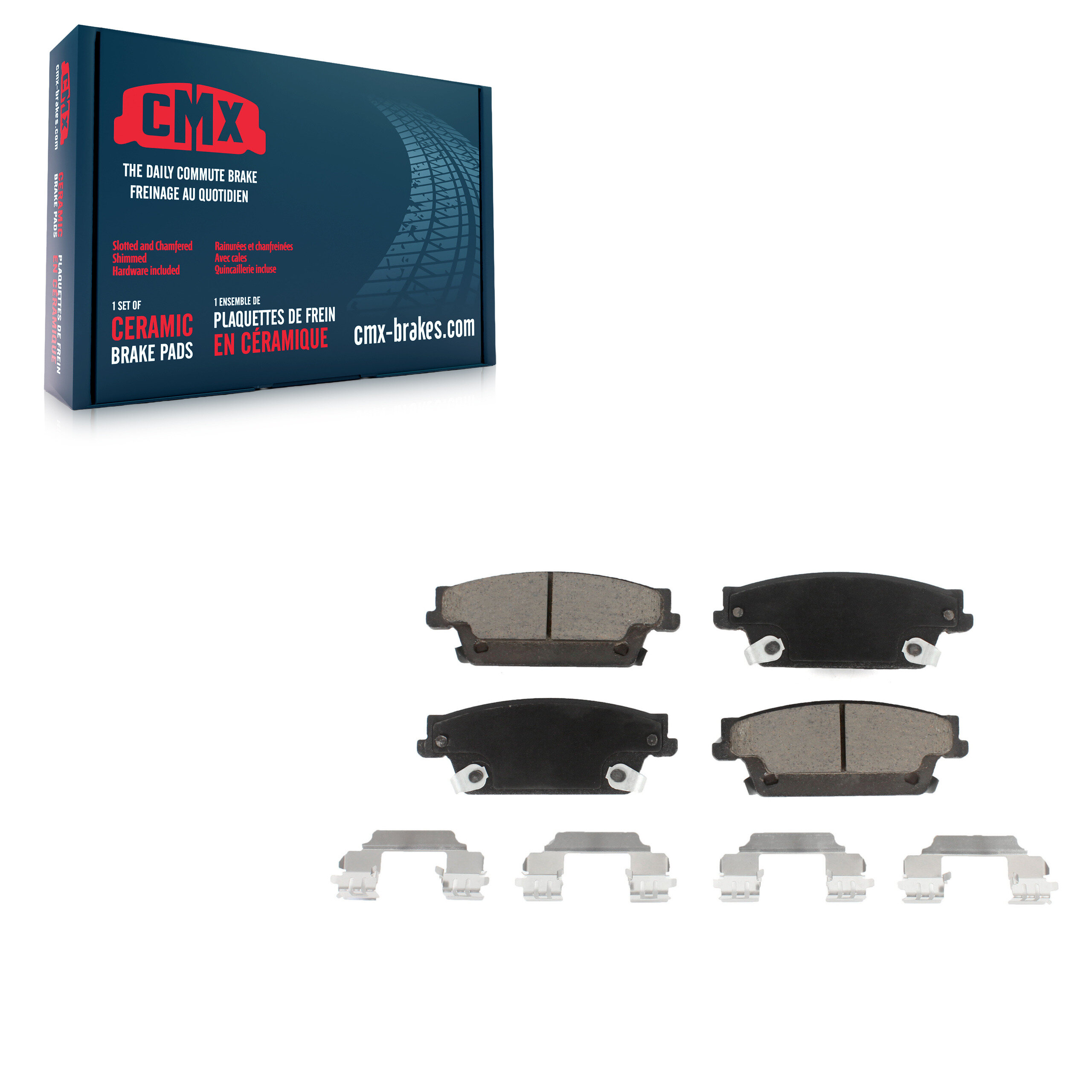 Standard/OE
CA $31.91
9 items in stock
Select your vehicle to see compatible products and accurate pricing
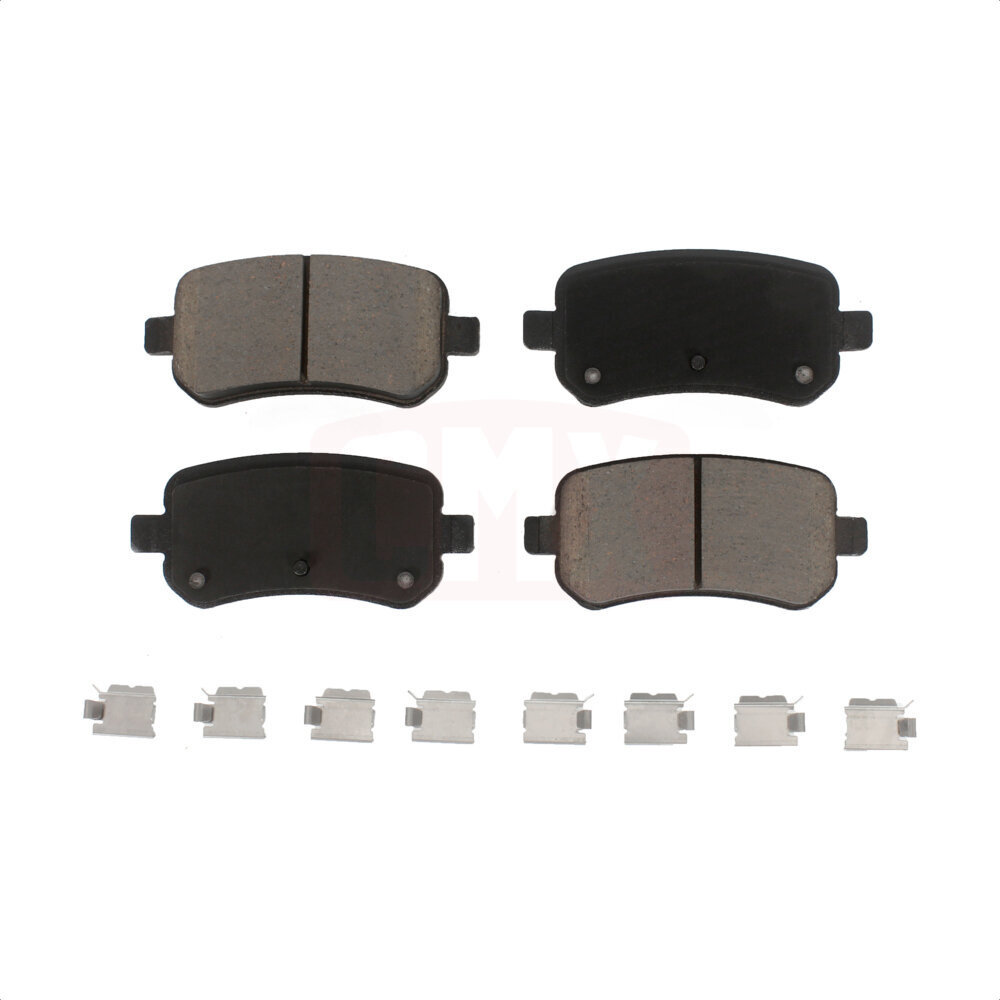 Standard/OE
CA $33.12
10 items in stock
Select your vehicle to see compatible products and accurate pricing
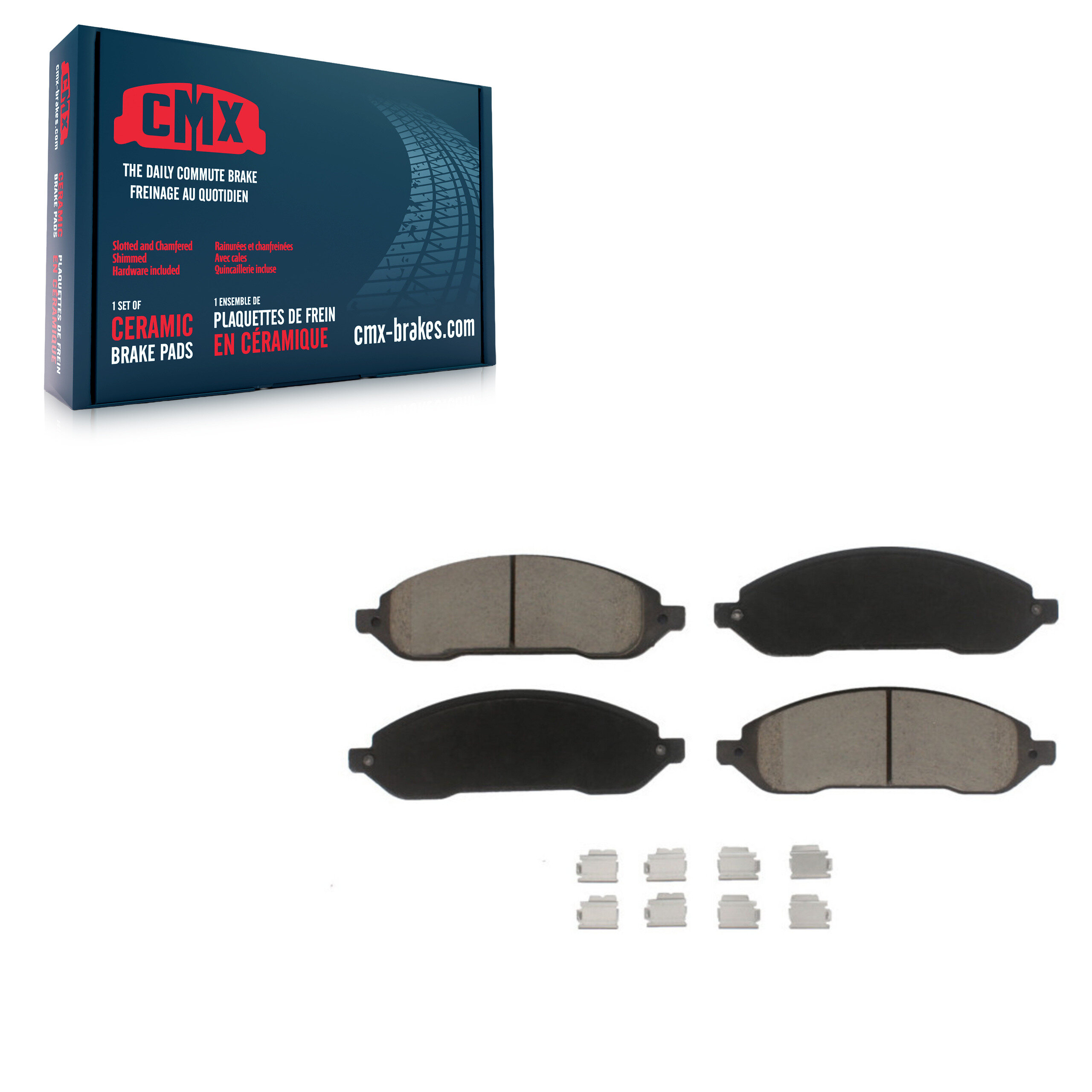 Standard/OE
CA $39.35
10 items in stock
Select your vehicle to see compatible products and accurate pricing
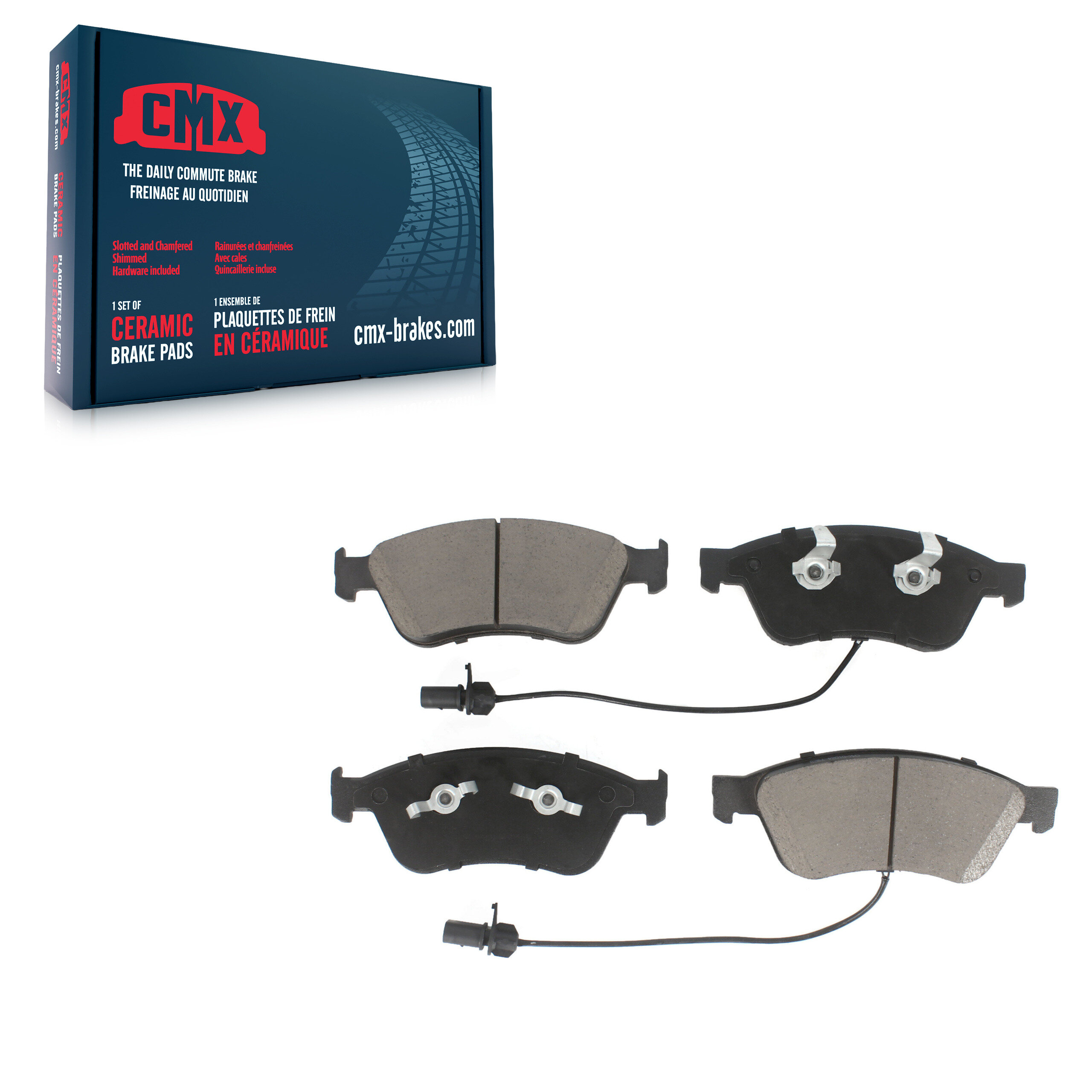 Standard/OE
CA $59.54
10 items in stock
Select your vehicle to see compatible products and accurate pricing
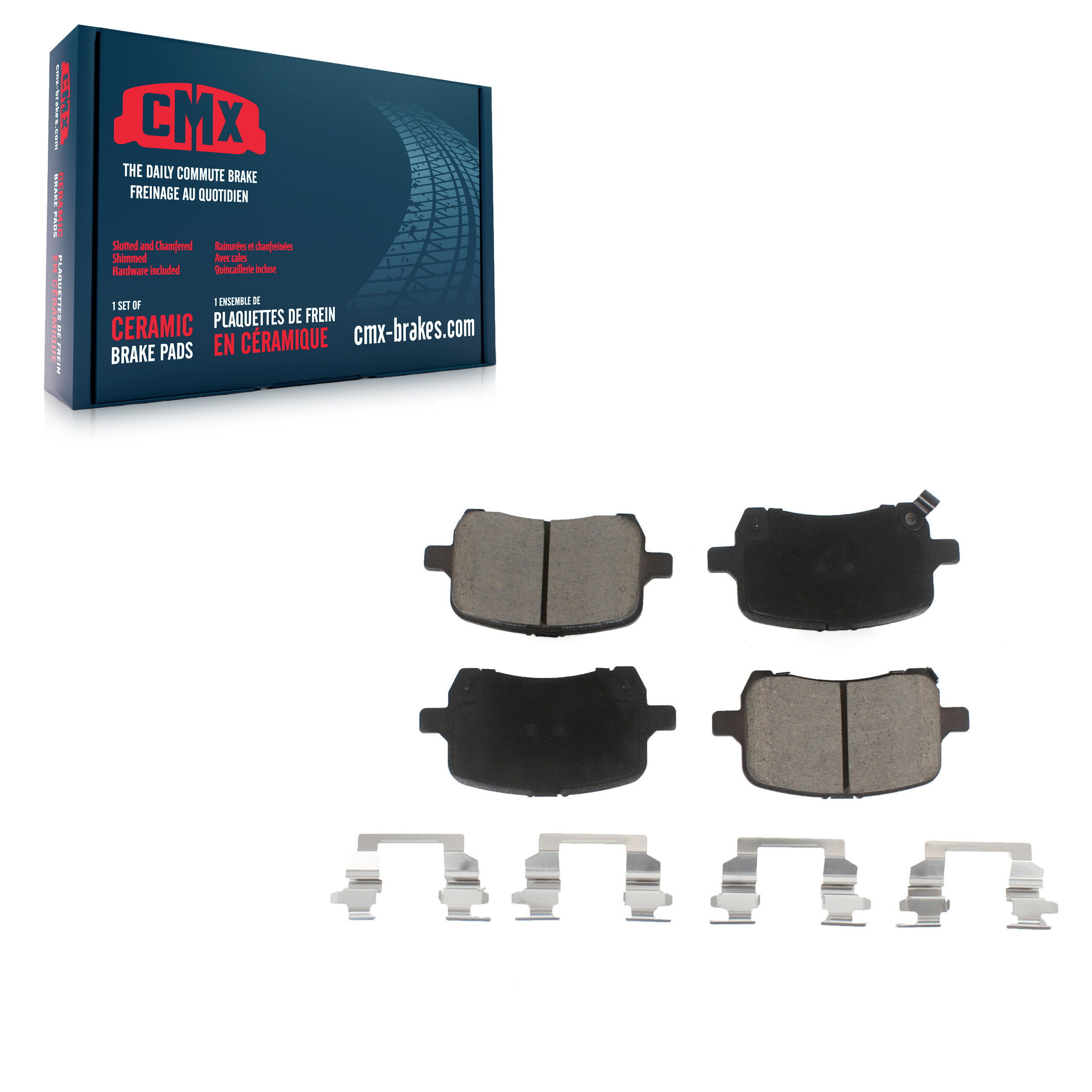 Standard/OE
CA $34.22
1 items in stock
Select your vehicle to see compatible products and accurate pricing
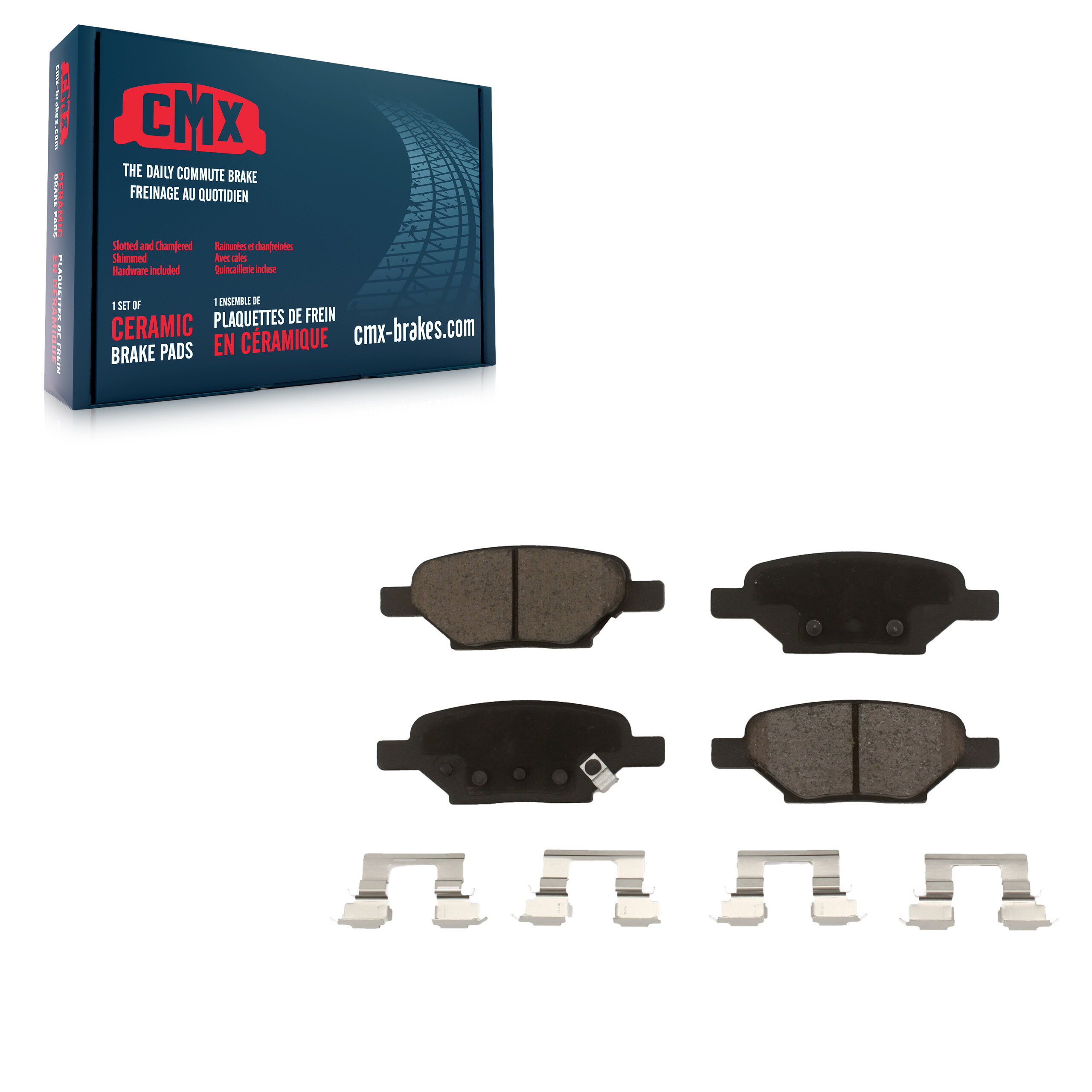 Standard/OE
CA $28.93
2 items in stock
Select your vehicle to see compatible products and accurate pricing
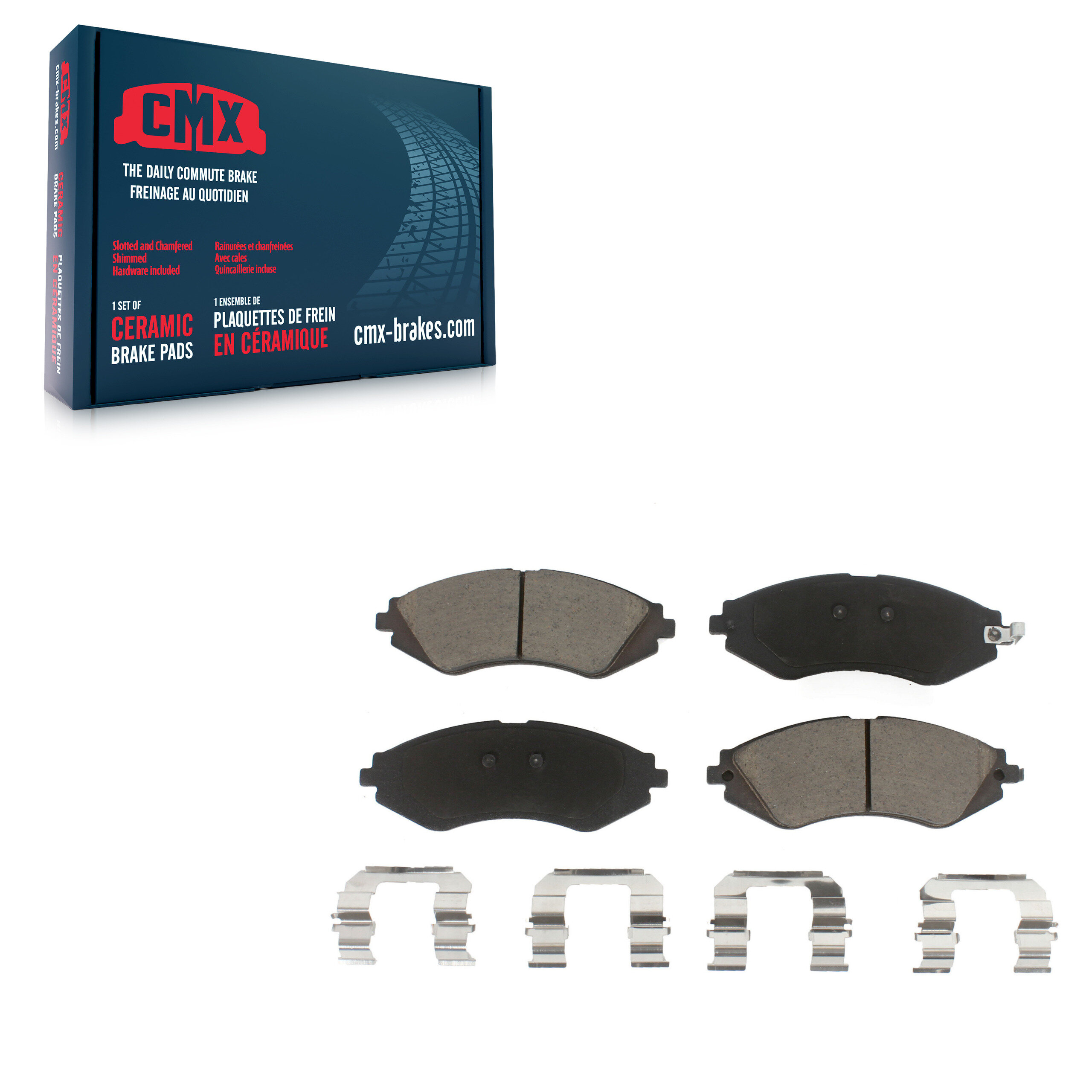 Standard/OE
CA $34.74
10 items in stock
Select your vehicle to see compatible products and accurate pricing
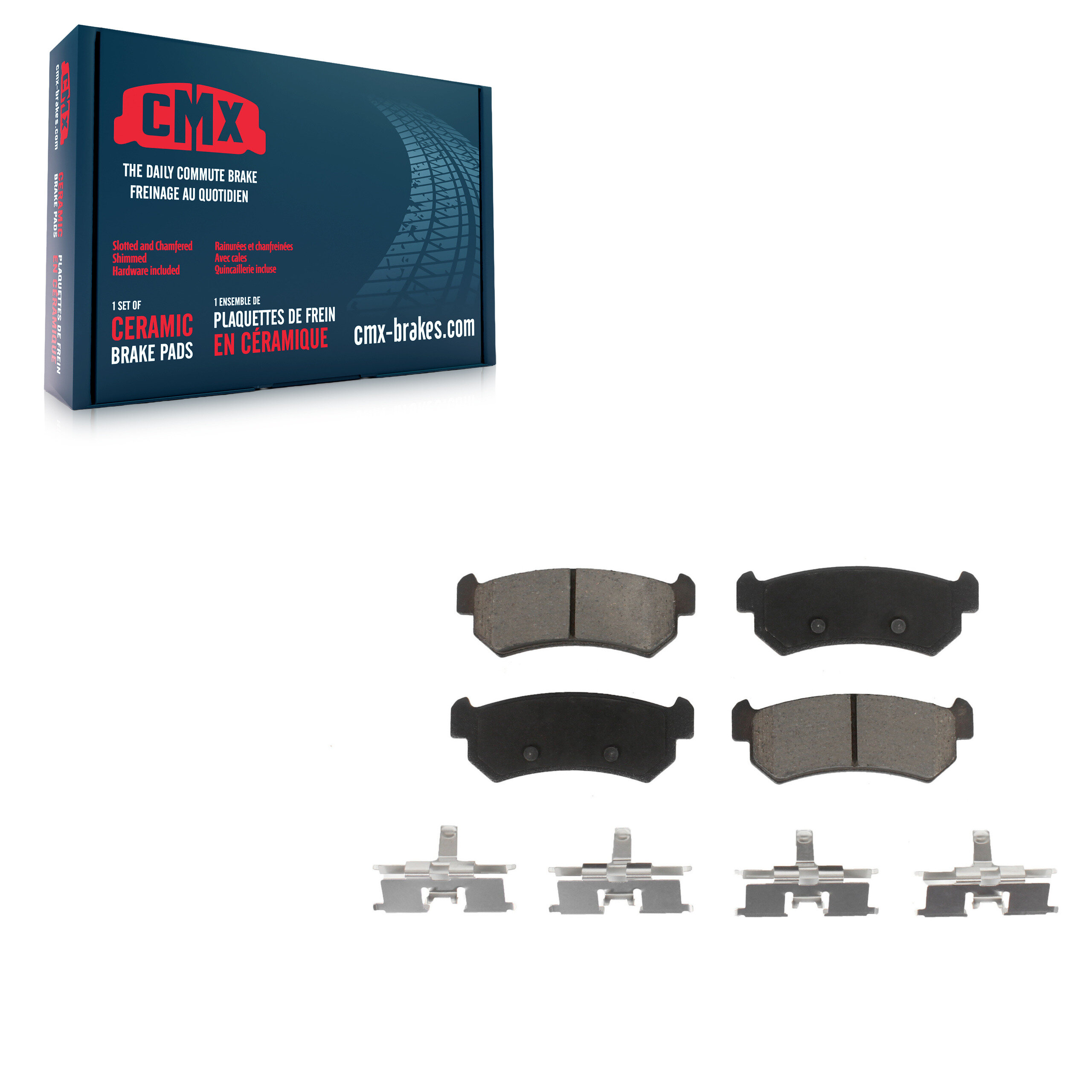 Standard/OE
CA $29.29
10 items in stock
Select your vehicle to see compatible products and accurate pricing
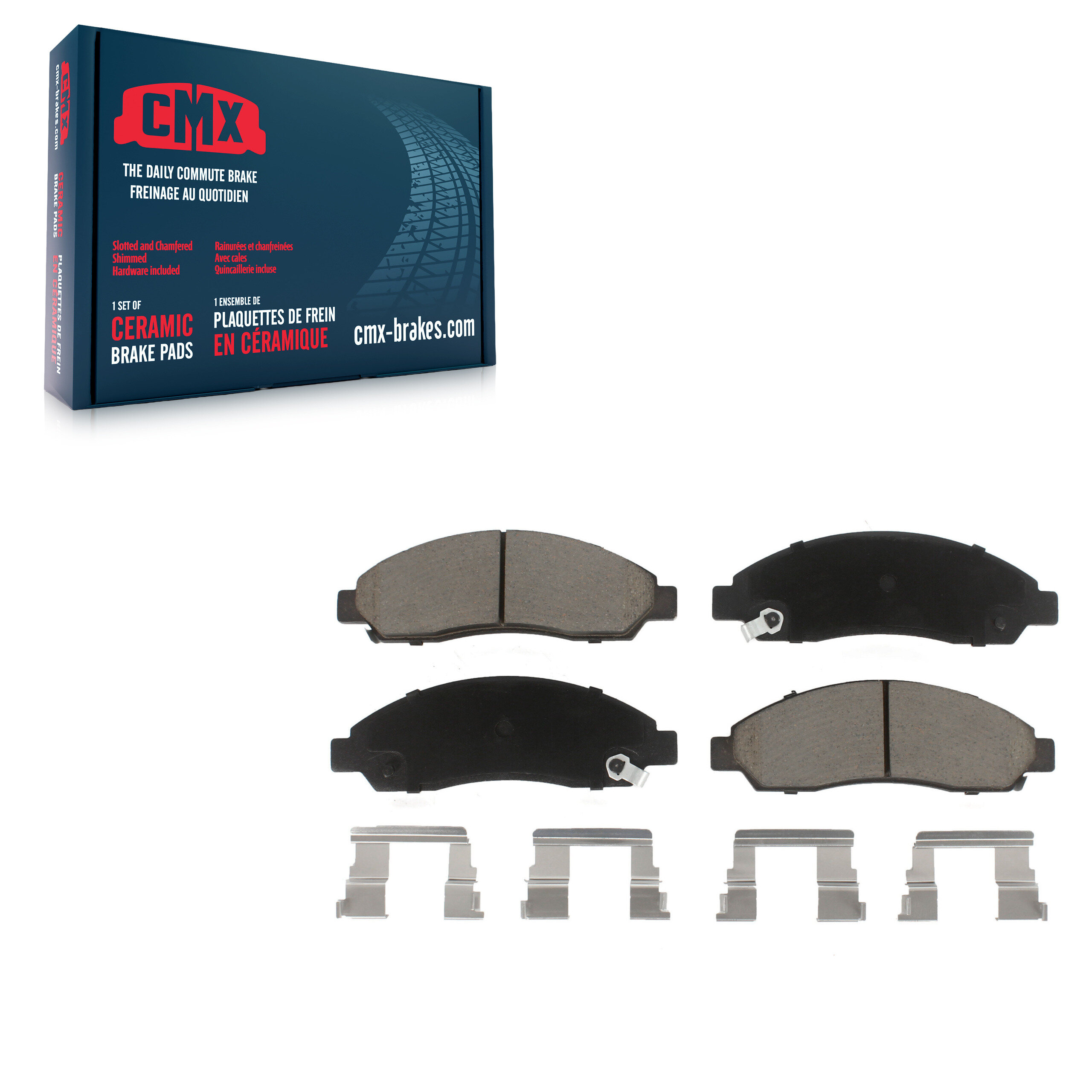 Standard/OE
CA $38.34
10 items in stock
Select your vehicle to see compatible products and accurate pricing
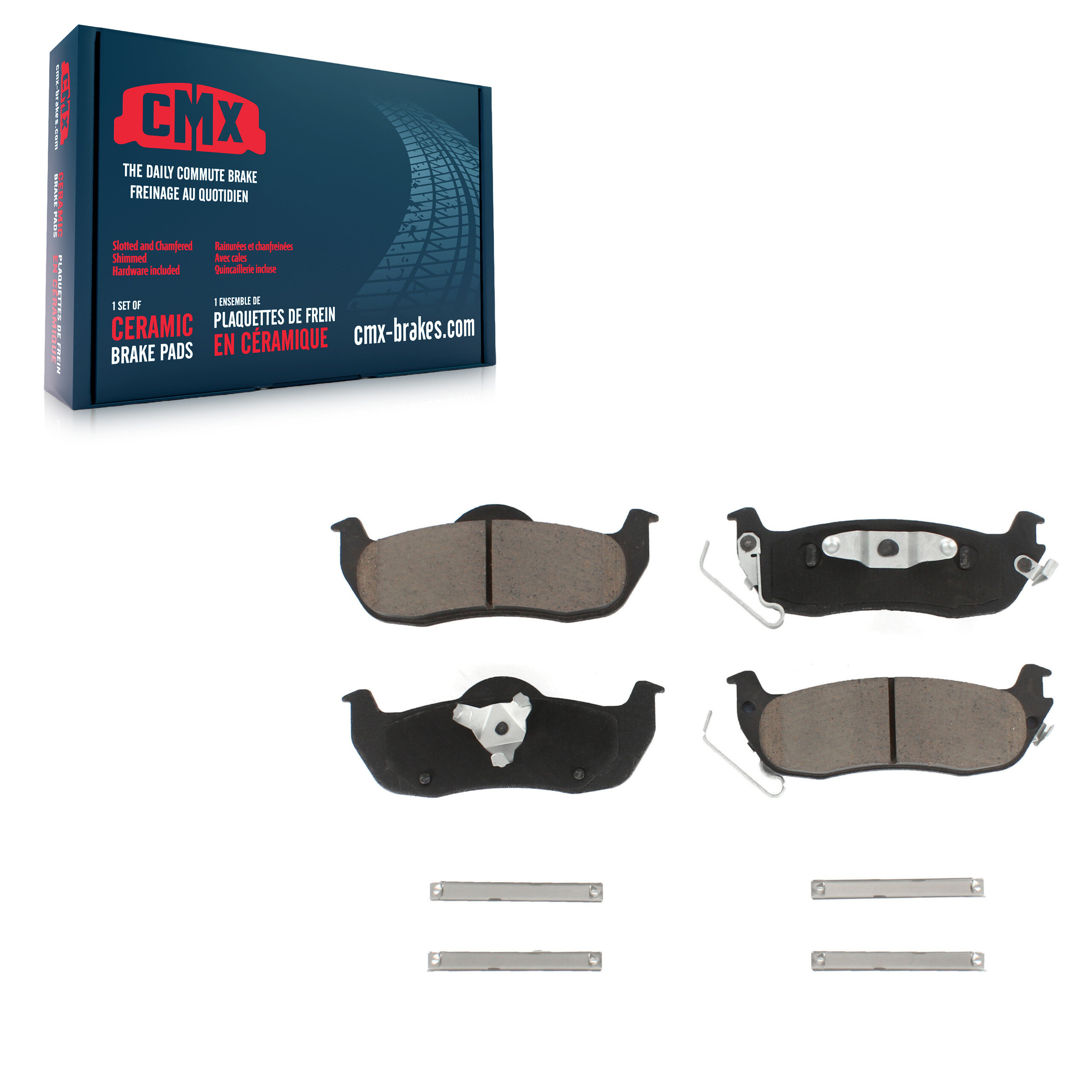 Standard/OE
CA $33.75
10 items in stock
Select your vehicle to see compatible products and accurate pricing
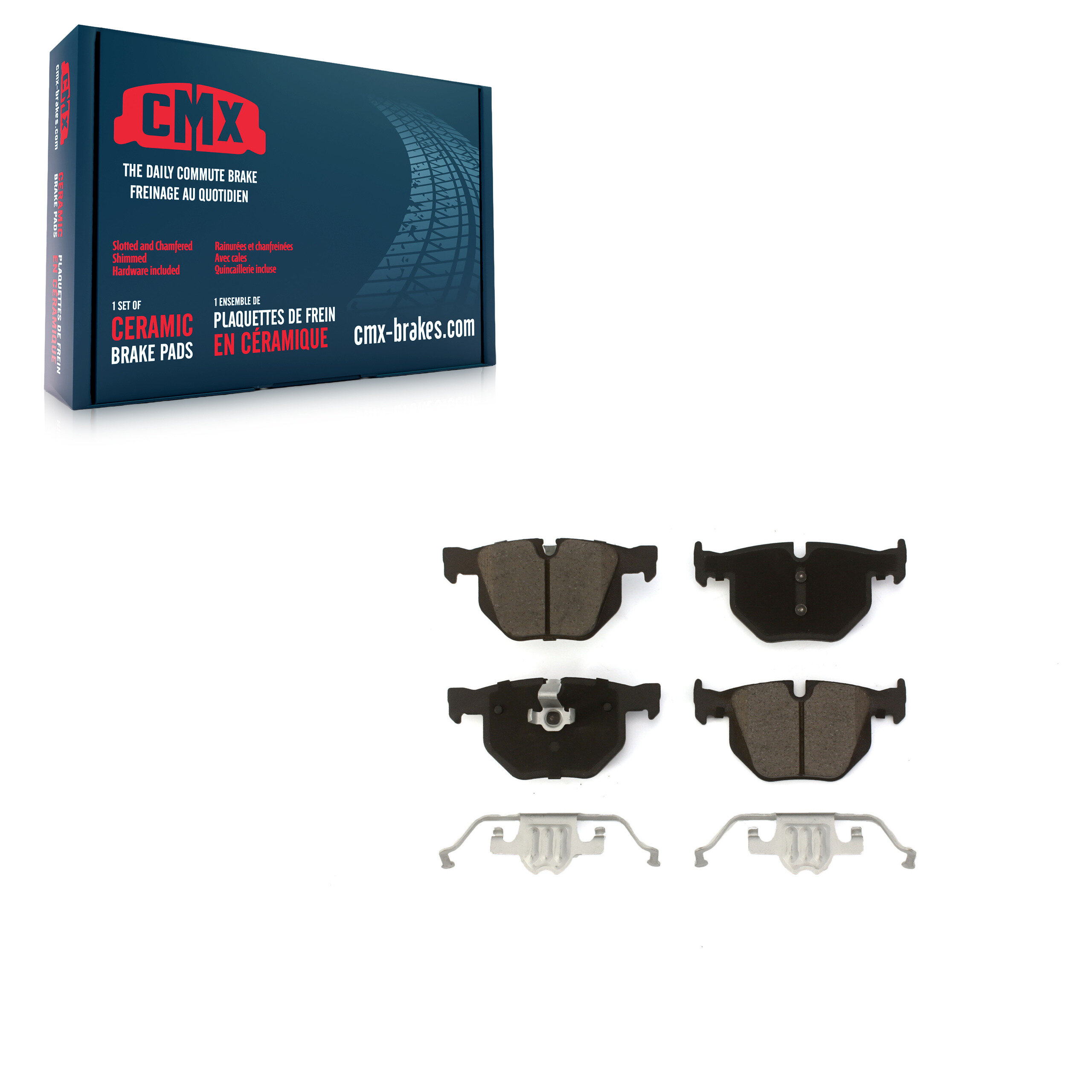 Standard/OE
CA $34.61
10 items in stock
Select your vehicle to see compatible products and accurate pricing
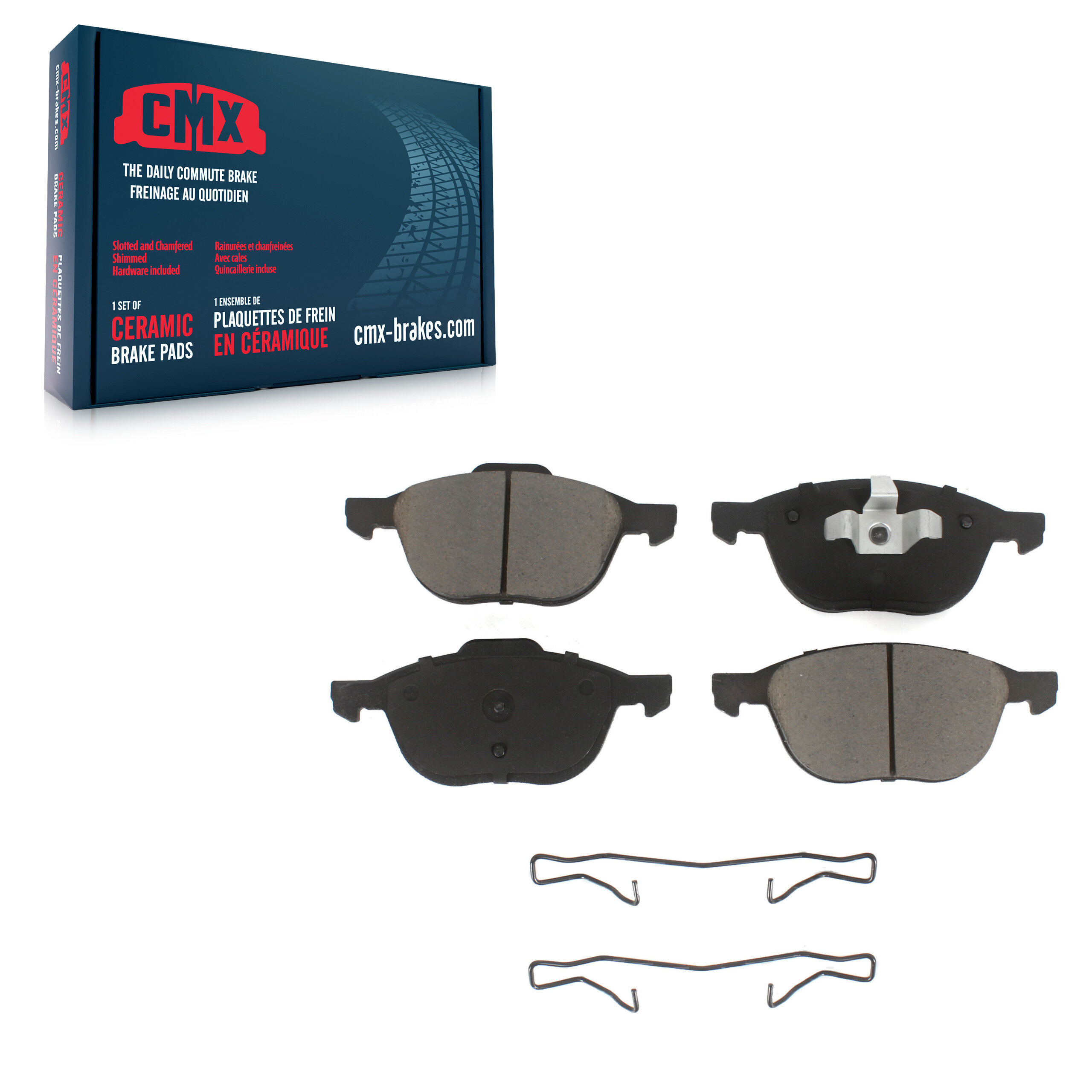 Standard/OE
CA $34.90
10 items in stock
Select your vehicle to see compatible products and accurate pricing
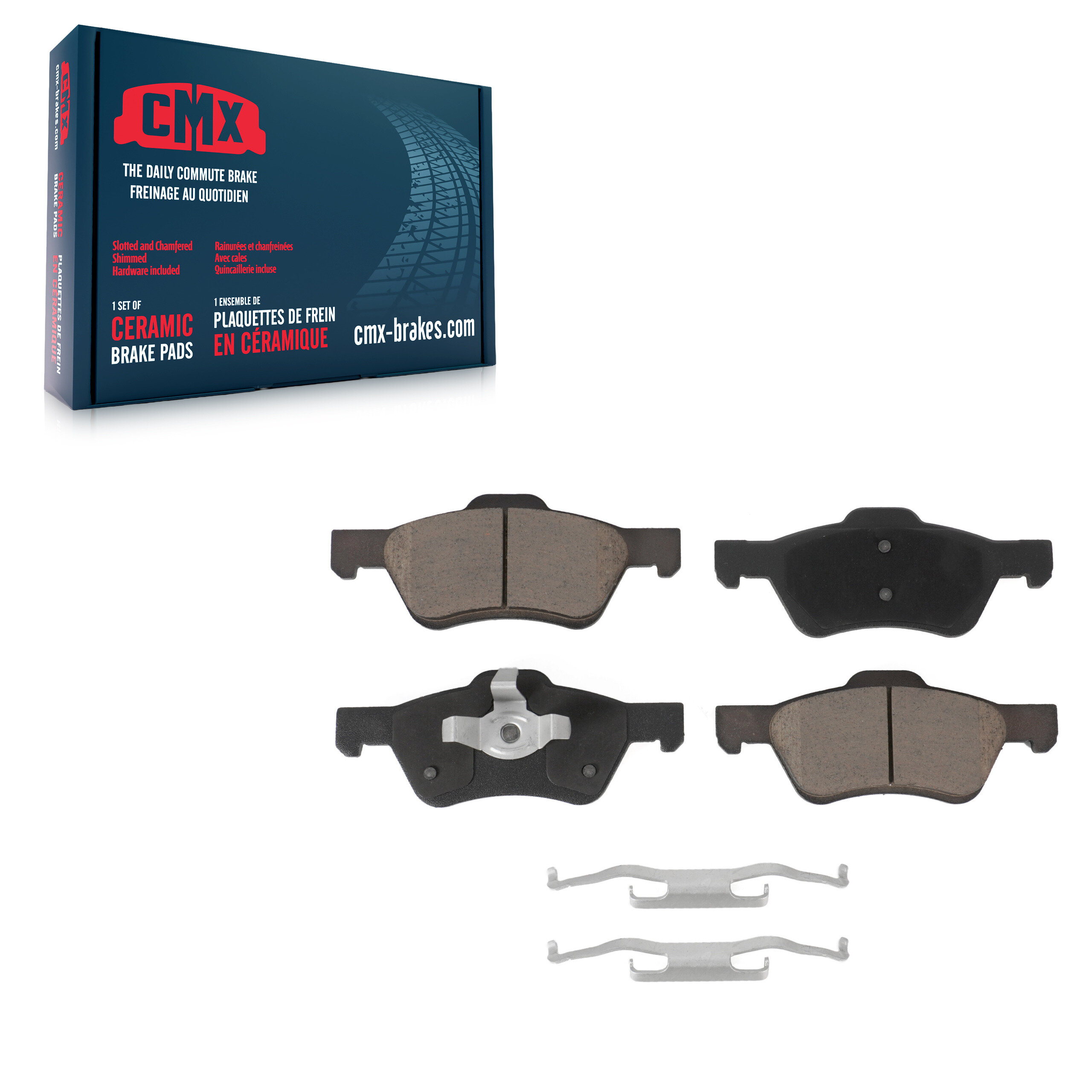 Standard/OE
CA $37.37
10 items in stock
Select your vehicle to see compatible products and accurate pricing
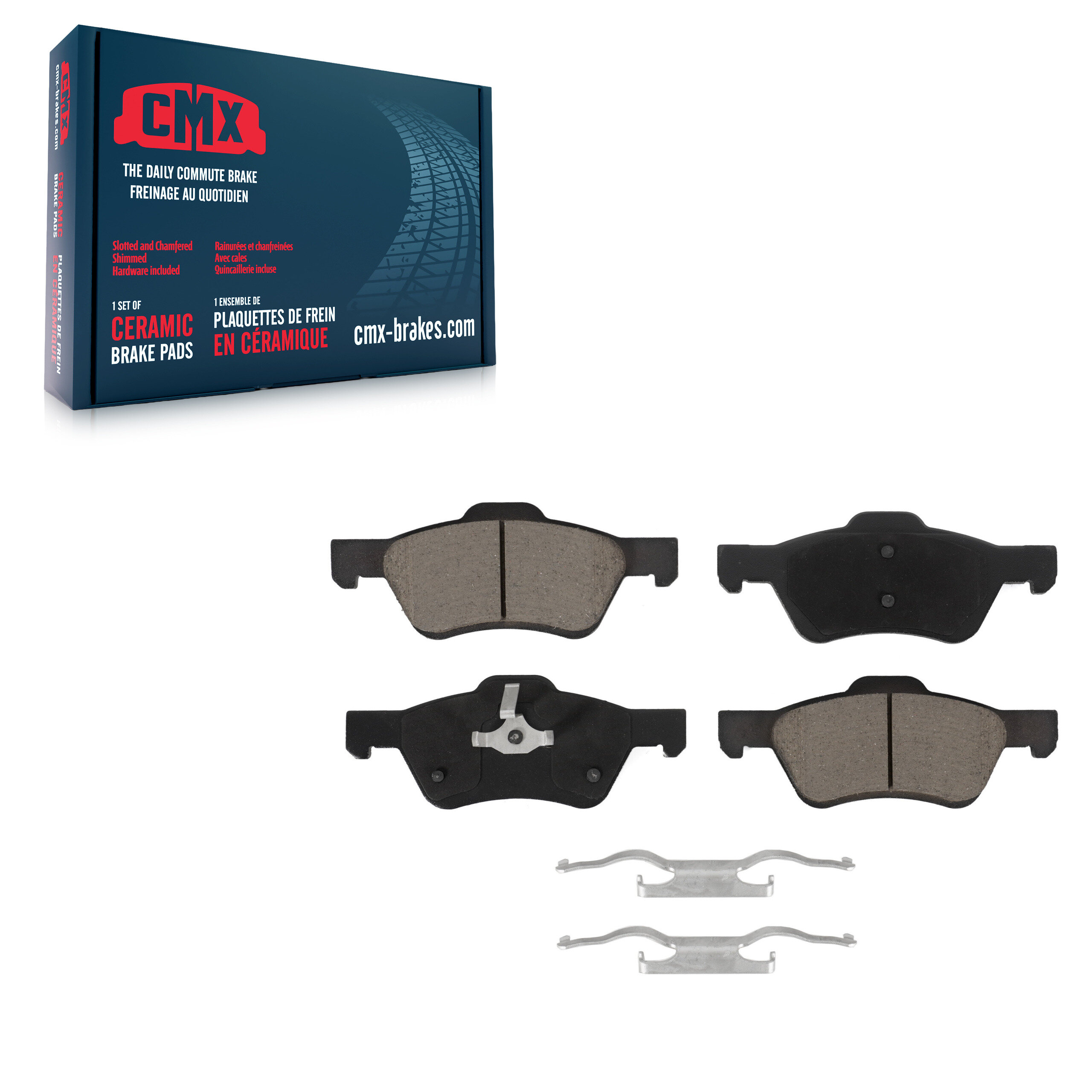 Standard/OE
CA $37.37
10 items in stock
Select your vehicle to see compatible products and accurate pricing
A disc brake pad is a steel backing plate bonded to a friction material compound that presses against the brake rotor to slow and stop your vehicle. When you press the brake pedal, hydraulic pressure forces the caliper pistons to squeeze the pads against both faces of the spinning rotor, converting the vehicle's kinetic energy into heat. The friction material wears gradually with use and must be replaced once it reaches the minimum safe thickness of approximately 3 mm.
Disc brake pads are the most frequently replaced component in your vehicle's braking system. They sit inside the brake caliper, one pad on each side of the rotor, and make direct contact with the rotor surface during every stop. The friction material is engineered to maintain consistent grip across a wide range of temperatures, speeds, and surface conditions.
The composition of the friction material determines how the pad performs under different loads, temperatures, and driving styles. Pad thickness, material hardness, and the compound's ability to transfer heat all affect how well the pad grips the rotor, how quickly it wears, how much noise it produces, and how much dust it generates. Choosing the right disc brake pad for your vehicle and driving conditions directly affects your stopping distance, rotor lifespan, and overall braking safety.
The three main types of disc brake pads are ceramic, semi-metallic, and organic. Ceramic pads are the best everyday choice for most Canadian drivers, offering low noise, low dust, and consistent cold-weather performance. Semi-metallic pads deliver stronger bite under heat and are the preferred choice for trucks, towing, and performance driving. Organic pads are the softest and quietest option, suited to light passenger vehicles with low braking demands.
Ceramic brake pads are formulated from a dense ceramic compound bonded with copper fibres. They are the premium choice for most Canadian passenger car, crossover, and SUV drivers because they maintain consistent friction across a wide temperature range, including cold starts at minus 30 degrees Celsius in Winnipeg or minus 40 degrees Celsius in Whitehorse. Ceramic pads produce minimal brake dust, run quietly through stop-and-go city traffic, and are significantly gentler on rotor surfaces than metallic alternatives.
For Canadian daily drivers, ceramic pads offer the best balance of longevity, quiet operation, and rotor protection. They perform well through the full range of Canadian seasonal temperatures and resist the glazing that can develop when pads repeatedly heat and cool through winter driving cycles. Most ceramic disc brake pad sets at GeoBrakes start from CA $37.89, making them a cost-effective long-term investment over organic alternatives that wear faster.
Semi-metallic brake pads are blended from steel, copper, and iron fibres in a resin compound. They excel under sustained heat loads and deliver more aggressive stopping bite at high temperatures, making them the preferred choice for trucks and SUVs used for towing, vehicles driven in mountainous terrain, and any application where braking generates consistently high heat.
The trade-off is slightly more noise and brake dust in everyday driving compared to ceramic alternatives. For a driver whose primary use is highway commuting and urban stops, ceramic pads are the better daily choice. For a driver who regularly hauls a trailer, loads a pickup bed, or descends long grades in the BC interior or the Rockies, semi-metallic pads handle the thermal demands that ceramic compounds are not designed for.
Organic brake pads, also called NAO pads, are made from fibres such as glass, rubber, and carbon bound in a resin. They are the softest option available and the most gentle on rotor surfaces. Organic pads operate quietly and are the most affordable choice per set.
Their main limitation is wear rate. Organic pads generate more dust and wear down faster than ceramic or semi-metallic alternatives, particularly in stop-and-go city driving and cold weather. They are best suited to light passenger vehicles with modest braking demands and drivers who prioritise quiet operation and low initial cost over long-term pad life.
The most common signs that disc brake pads need replacing are a high-pitched squeal or screech when braking, a grinding or metal-on-metal sound, longer stopping distances, a soft or spongy brake pedal, steering wheel or seat vibration during braking, and visible pad thickness below 3 mm when inspected through the wheel spokes.
Most disc brake pad sets include a built-in metal wear indicator that contacts the rotor surface when the pad reaches minimum thickness, producing a high-pitched squeal. This is an intentional early warning, not a failure. It tells you the pads need attention within the next few thousand kilometres. Watch for all of the following signs:
Safety note: Any grinding noise during braking means the vehicle should not be driven until the brakes are serviced. Continued driving on metal-on-metal contact scores the rotor and can lead to caliper damage, turning a straightforward pad replacement into a significantly more expensive repair.
Replacing disc brake pads involves removing the wheel, compressing the caliper piston, swapping the old pads for new ones, and bedding the new pads in using the 30/30/30 procedure before returning to normal driving. The job takes 1 to 2 hours per axle for a driver with basic mechanical experience and the correct tools.
Safety note: Brakes are a safety-critical system. If you are not confident working on your vehicle's braking system, have a qualified mechanic perform the service. An improperly installed pad can cause brake failure. Never work under a vehicle supported only by a floor jack.
The steps below describe a standard disc brake pad replacement on a typical Canadian passenger vehicle. Procedure varies by vehicle make and model. Always consult your vehicle's service manual before beginning.
Disc brake pad sets at GeoBrakes start from CA $27.68 per set for rear pads and from CA $37.89 per set for front pads, making the parts cost for a full axle pad replacement straightforward to calculate before booking a shop appointment. Labour at an independent shop in Canada adds CAD $90 to $140 per hour, with most pad-only jobs taking 1 to 1.5 hours per axle.
The visible GeoBrakes pad prices in the catalogue range from CA $27.68 for rear disc brake pad sets to CA $59.54 for front sets, depending on vehicle application and pad type. Ordering pads directly from GeoBrakes and supplying them to an independent mechanic reduces the total cost of the job compared to letting a shop supply the parts at their own markup.
For a pad-only replacement at an independent shop in Canada using parts ordered from GeoBrakes, a realistic all-in cost is CAD $120 to $250 per axle, covering parts and one to one and a half hours of labour. If rotors also need replacing at the same time, budget CAD $350 to $750 per axle at an independent shop depending on vehicle type. Most Canadian drivers should budget CAD $400 to $800 per axle for a full pads and rotors job at an independent shop. Dealerships charge CAD $150 to $200 per hour and typically carry higher part pricing as well.
Ceramic pads are the better everyday choice for most Canadian drivers because they maintain consistent friction in cold temperatures, produce less dust and noise, and are gentler on rotors through the repeated freeze-thaw heat cycles of Canadian winters. Semi-metallic pads are the better choice for trucks used for towing, performance vehicles, and any application where braking generates high and sustained heat.
The choice between ceramic and semi-metallic comes down to how and where you drive. Ceramic pads are formulated for cold-weather friction effectiveness, not just room-temperature lab specifications. A ceramic pad on a Toyota Camry commuting through Montreal winters will outperform a semi-metallic on that same vehicle for longevity, noise, and rotor wear. The same semi-metallic pad on a Ram 1500 towing a boat trailer on a summer trip to Muskoka will outlast the ceramic under that sustained heat load.
Brands including Akebono, EBC, and Raybestos offer quality ceramic and semi-metallic disc brake pad sets stocked at GeoBrakes. Use our vehicle selector to confirm the correct pad type and axle position for your exact make, model, and year before ordering.
A disc brake pad is a steel backing plate bonded to a friction material compound that presses against the brake rotor when you apply the brakes. The friction between the pad and the spinning rotor converts kinetic energy into heat and slows the vehicle. Disc brake pads are the most frequently replaced component in the braking system and must be replaced when the friction material wears to approximately 3 mm thickness.
Most modern Canadian vehicles use disc brakes on all four wheels, though some older or budget vehicles retain drum brakes at the rear. Disc brake pads come in ceramic, semi-metallic, and organic formulations, each suited to different vehicle types and driving conditions.
Most disc brake pads last between 30,000 and 75,000 km depending on pad type, vehicle weight, and driving conditions. Ceramic pads last the longest at 60,000 to 100,000 km. Organic pads wear fastest at 30,000 to 50,000 km. Canadian city driving with frequent stops and cold temperatures tends to push pad life toward the lower end of these ranges.
Front pads wear faster than rear pads on most vehicles because the front brakes handle 60 to 70 percent of the total braking force. Plan for front pad replacements more frequently than rear replacements, and inspect both at every oil change interval.
Disc brake pads for a Hyundai Elantra are available at GeoBrakes from approximately CA $30 to $55 per axle depending on axle position and pad type. The Elantra uses a compact disc brake system with modest thermal demands, making ceramic pads a strong choice for most Canadian Elantra owners who do the majority of their driving in city and suburban conditions.
Labour for a pad replacement on a Hyundai Elantra at an independent Canadian shop adds approximately CAD $90 to $130 for 1 to 1.5 hours of work per axle. Ordering pads directly from GeoBrakes and supplying them to your mechanic keeps the total job cost as low as possible.
Brake pads on a Hyundai Elantra typically last between 40,000 and 70,000 km under normal Canadian driving conditions. The Elantra is a compact sedan with a relatively light braking load, which helps pad longevity. City driving with heavy stop-and-go traffic pushes the figure toward the lower end, while highway-dominant driving can extend pad life well past 60,000 km.
Ceramic pads are the recommended choice for Elantra owners seeking maximum pad life and minimal rotor wear. Most GeoBrakes ceramic pad sets for the Elantra sit in the CA $37 to $55 range per axle, making the ceramic upgrade a straightforward cost-benefit decision over standard organic alternatives.
Disc brake pads for a 2014 Nissan Altima are available at GeoBrakes from approximately CA $33 to $58 per axle. The Altima uses a mid-size disc brake system that responds well to ceramic pad compounds for everyday Canadian driving. Front pads on the Altima carry a higher braking load than rear pads and should be inspected more frequently.
A full front axle pad replacement on a 2014 Nissan Altima at an independent Canadian shop, using parts from GeoBrakes, typically runs CAD $130 to $220 all-in including labour. Rear pad replacement costs slightly less given the lower parts price and similar labour time.
Four brake pads covering one axle at GeoBrakes cost from CA $27.68 for a rear disc brake pad set to CA $59.54 for a front set, depending on the vehicle and pad type. A complete set of pads for all four wheels (front axle and rear axle) typically costs CA $65 to $120 in parts at GeoBrakes pricing, depending on your vehicle.
This parts-only figure does not include labour. At an independent shop charging CAD $90 to $140 per hour, a full four-wheel pad replacement adding front and rear axles takes approximately 2 to 3 hours of labour, bringing the total all-in cost to approximately CAD $250 to $450 for a typical Canadian passenger vehicle.
Yes, disc brake pads can be replaced at home by a driver with basic mechanical experience, the right tools, and access to the vehicle's service manual. The job requires a floor jack, jack stands, a basic socket set, a caliper piston tool or C-clamp, brake pad lubricant, and brake cleaner. Most pad replacements take 1 to 2 hours per axle.
The most important steps to get right are caliper piston compression, correct torque on caliper slide bolts and wheel nuts, and proper bedding of the new pads using the 30/30/30 procedure after installation. Skipping the bedding step prevents the pads from reaching their rated friction performance and increases the risk of early vibration and uneven wear. If any part of the process is unclear, professional installation is the safer choice.
No. WD-40 and any other lubricant or penetrating oil must never be applied to brake pad friction surfaces or brake rotors. Lubricants on the pad face or rotor surface eliminate the friction that stops your vehicle, creating an immediate and serious safety risk. A contaminated pad must be replaced, not cleaned, because the lubricant absorbs into the friction material permanently.
Brake-specific lubricant is appropriate only on the metal contact points of the caliper bracket where the pad ears slide, and on the back of the pad backing plate where it contacts the caliper piston. These are the only areas where lubrication is appropriate during a brake pad service. Use only products labelled specifically as brake caliper lubricant or brake pad lubricant, never general-purpose spray lubricants.
The 30/30/30 rule is a brake bedding procedure for new disc brake pads and rotors. Perform 30 controlled stops from 50 km/h, applying firm steady pressure to slow to approximately 10 to 15 km/h without stopping completely, allowing at least 30 seconds of cool-down between each stop. After all 30 stops, drive at moderate speed for 5 to 10 minutes without braking.
This procedure deposits an even layer of friction material from the pad onto the rotor surface, creating the transfer film that the braking system needs for consistent, rated performance. Pads and rotors that are not properly bedded in never achieve their designed friction coefficient and are significantly more prone to early vibration, noise, and uneven wear. Always bed in new disc brake pads after installation regardless of whether the rotors were also replaced.